
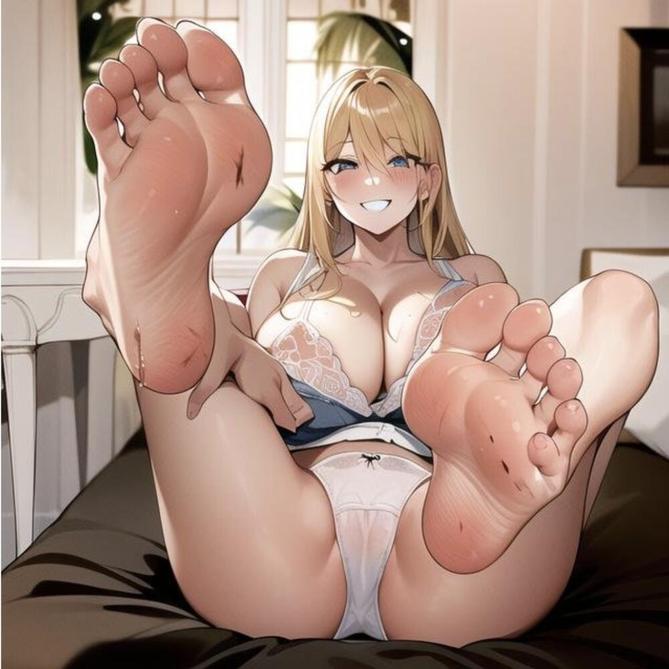
More than just the primary element in an image, there are many factors that contribute to creating a strong visual digital scene. These include the space where your subject lives; the type of light they use or produce; the colors you use; the way you compose (arrange) your subject; and all other details around them. All of these components work together to define the location of your subject and how your viewer will perceive this location before viewing your subject.
The new options created by AI give artists and animators more creative freedom when working with the above-mentioned options. While AI hentai represents one example of fictional AI-generated images, it has applications in all forms of illustration, animation, character design, and visual storytelling.
Build the Mood Before the Details
Creators often create an atmosphere first (and can) before determining what all objects will be in their scenes, to help set up the mood for whatever comes next.
They could start by establishing a quiet, dramatic, mysterious, or high-energy type of environment/scene; from there, each subsequent visual decision can help build upon the overall mood created at the beginning.
Let Lighting Shape the Scene
The same area can be completely transformed by light.
Lighting can cause one area to feel either very casual or much more serious than the other depending on what is used in that particular scene.
Lighting is something that you can try out, as an artist, to see how it affects your entire idea of the setting and then keep or remove parts based on how you want your final product to look.
Think Beyond the Main Subject
In many images, it isn't the primary subject in a picture who is the most interesting part.
A background may also contain elements that could provide the viewer with some understanding about how to interpret or contextualize the scene and feel as if the scene has been fleshed out.
Create Depth Through Layers
When scenes have all three parts (foreground, middle-ground, and background), they can look more real.
There are three layers of depth when using this way of depicting images, which create a sense of space so it looks bigger than if there were only one layer or two.
Also, Artificial Intelligence (A.I.) helps make trying new ways to place things within your scene possible, as well as help you decide on how detailed you want each part of your picture to be before making it too busy for your audience.
Use Color to Connect Ideas
Color can become a recurring visual element throughout a creative project.
A particular palette can appear in clothing, environments, lighting, or objects and help connect otherwise separate scenes.
This creates a visual relationship between images without requiring them to have identical compositions.
Develop Scenes Around a Moment
Creators may want to focus on "what" is happening in a scene (versus "who") when deciding upon a visual representation of a character.
Creating an environment for moments of discovery, preparation, travel, celebration, reflection, or anticipation in your creations can provide a richer source of inspiration than merely the image alone.
Each creation using this approach will likely convey a stronger sense that they were developed as part of a larger story.
Experiment With Perspective
Changing your point of view is often as dramatic in terms of how you see a particular scene as it is in changing the actual shot or camera angles.
While an extreme low angle emphasizes the size of the subject, conversely, an extreme high-angle perspective provides you with much more of the world around that subject.
An extremely close-up frame draws our attention toward the actor(s), while a wide composition creates a greater awareness of what surrounds them.
Create Visual Continuity
When developing multiple scenes, recurring details can establish a connection between them.
Characters can retain recognizable characteristics, while locations, colors, objects, and lighting choices can provide additional continuity.
This allows creators to develop collections that feel connected without making every image repetitive.
Specialized AI Is Expanding
Generative AI applications are developing for creative interest and workflow-specific uses.
AI Hentai can be viewed as an example of a new type of generated content within this emerging space, while there are also examples of other platforms that focus on creating characters, illustrations, animations, videos, or telling stories with AI.
In general, the greater diversity in generative AI applications will allow creators to explore a wider variety of approaches toward producing different types of visual work.
Use Early Generations as Scene Studies
An original group of images may be used as an experimental visual study as opposed to a completed body of work.
By looking at the various components of your image (such as the composition, lighting, and background), you will have the ability to make educated decisions on how to improve it.
The use of this method allows you to find issues in your work prior to making changes for better or worse.
Let the Environment Influence the Character
You may use an original group of images as an experimental visual study rather than a completed body of work.
By looking at the various components of your image (such as the composition, lighting, and background), you will have the ability to make educated decisions on how to improve it.
The use of this method allows you to find issues in your work prior to making changes for better or worse.
Make Room for Discovery
A great many valuable artistic decisions are made by accident.
A surprising creation can create an interesting environment, composition, color combination, and/or environmental detail that improves your original concept.
The results of those accidental creations provide creators with opportunities to take the next step in the experimental process.
Build a Visual Language
A project may create a visual language for itself with repeated design choices.
Recurring use of similar elements (color, lighting, composition, architectural style, character design, environment) creates a cohesive body of work.
However, the cohesive nature does not require each individual piece to have an identical appearance.
The Creator Sets the Direction
The user is responsible for determining the importance of possibilities created by a tool that uses artificial intelligence to create them.
The user determines whether or not to use a particular atmosphere in the story; whether the detail supports the idea; and how much detail should be developed into a result. This role makes developing one's own judgment as it relates to creating something using artificial intelligence an important component of being able to successfully utilize these tools.
Final Thoughts
AI is creating new avenues for thinking creatively regarding anime-inspired visuals.
Rather than just using the primary character as their main focus point, creators are able to develop environments by generating scenes based on a number of different elements such as atmosphere, light sources, perspective, detail in the environment, and repeating ideas visually.
Ultimately, this creates a process where each individual generation can be used as an experiment, reference material, or component toward creating larger creative endeavors.